How much time do we have? On Countdown timers in Japanese schools and the first week of my “minigration” to Japan

Naoko Sensei puts a digital countdown timer on the board. Sets it to 40 seconds. All pupils stand up: it is time to practice, in pairs, the months in English. One of the students says 2月, the other one responds in English: February. A boy says 4月, and after some hesitation, a girl says April. They test each other, they laugh, they speak together…It is also one of those rare moments when I do not really know if they can hear each other, when there is at least some chaos, a very very rare moment, a move away from the choral repetition. They have 40 seconds. Then the alarm goes off, they all stop speaking and sit down. A few minutes later, the teacher sets the timer again to 40 seconds. The kids open page 24 in their course book. They read the words in 40 seconds. And then the alarm goes off. Loud and clear. Time is up. A few minutes after that the timer is set to 20 seconds. The teacher says February. They have 20 seconds to write it down, in their book. Then March. Then April. 20 seconds each. Then the alarm goes off. 20 seconds is all they have. They then move on to practicing “ordinal numbers”. First, second, third…The teacher accidentally sets the timer to 2 seconds this time. They all laugh together. They know that it is too little time to do anything. They are all (made) aware of the amount of time they have. They all hear an alarm when the time is up, all thanks to a countdown timer. The loud sound tells the students that their little time for a given activity is over.
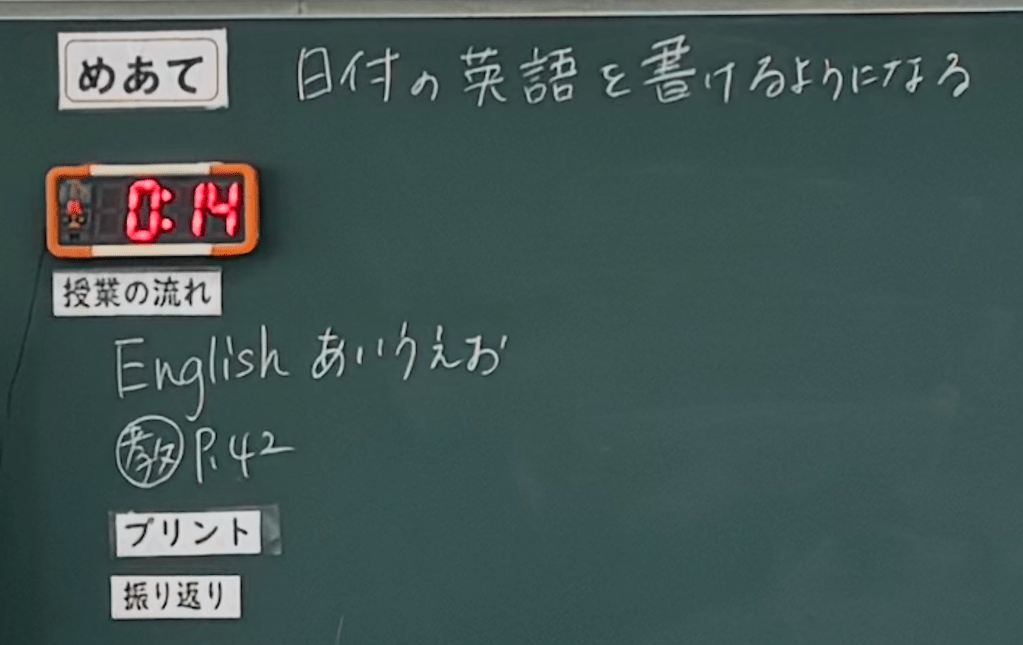
Do the students like it? Maybe not always. One of the kids walks towards the board to get something from the teacher’s desk, and then the alarm goes off, loud and unexpected for him. He closes his ears with his hands, and he closes his eyes. The irritation is visible. It looks like he does not like the noise of the alarm, at least at that moment. But digital countdown timers and their alarms are obviously what we have in many Japanese junior high schools, as I was told by my friend Mika and Naoko Sensei after the lessons I observed. Every day, in each lesson, kids orient to timers and their sounds – they look at it, they hear it, they act on it, they laugh at it. If there is anything that they all have, it is time. But how much of it? How does each kid experience the 40 seconds they are given for a short activity? How does the teacher experience and manage it? What would have happened without a timer? Without knowing the exact seconds they have before moving to another activity? No matter how short or long time is, it is obvious that what each kid makes out of it and how each teacher experiences it will be relatively different each time. I will not discuss here whether or how these timers obstruct or construct learning opportunities. It is obvious why they are there. We do not know in reality the relationship between these timers and learning1. But if there is one reality that we cannot escape from, it is the fact that time is relative no matter how we want to set boundaries around it with countdown timers in schools, digital calendars in our smart(!) phones and computers, and the number of days, weeks, and months. This is exactly how I have perceived time during the first week of my “minigration2” (i.e., mini-immigration) to Japan.
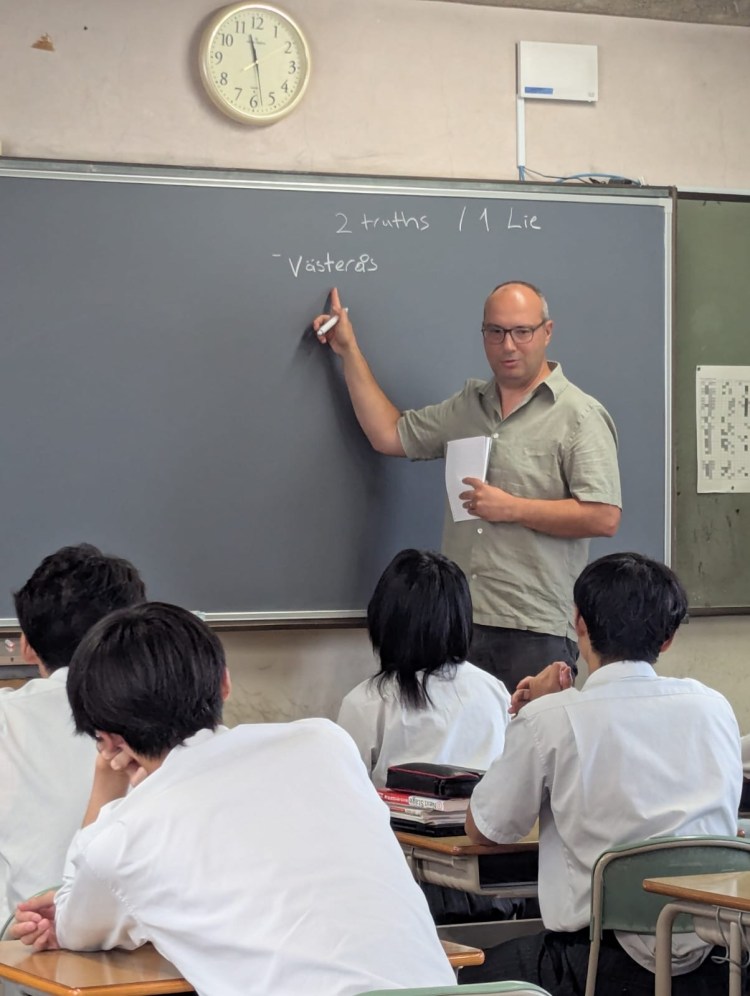
I am a seasoned immigrant. I moved and adapted to cities like Newcastle, Luxembourg, Västerås where I spent years of my life. My minigration to Kyoto has been a different story though in terms of how I perceive time and space. I have only been here for less than two weeks3, yet it feels like the new experiences and things I have encountered exceeds what I had seen during the first weeks in any other city I’ve lived in (and I still have more than four weeks to go!). Wherever you look, you see something that is totally new to you – the food you taste is not just amazing, but it also takes you to a journey of new experiences mixed with old tastes. When I spent time in Japanese classrooms, I took a spiritual journey which was a mixture of my childhood memories in classrooms in Gemlik4 and all the cultural fingerprints of Japanese culture embedded in the learning activities. Each and every moment I spent in the Japanese classrooms as an observer (and very briefly as a guest teacher) triggered reflections on the spot – it was almost like watching a film in small motion, noticing tons of things in what students and teachers do while at the same time, in the background, recalling classroom memories from my childhood, and then starting to compare, at the very moment, things that I observed in Swedish or Luxembourgish classrooms to what I see in Japan. All at the same time. It was full of life, and at the same time felt like a dream in consciousness. I woke up when one Japanese pupil approached me right after the lesson (in which I also taught briefly) and asked my opinions on the differences between Swedish and Japanese classrooms. I was shocked at first but was pleasantly surprised. This is a question that I have been trying to answer with my colleague Mika Ishino and my student-teachers in Sweden who worked with Japanese student-teachers as part of a teacher education course. Yet, the question comes from a 15-year-old boy, who takes the courage to ask in English a very grown-up question. Smart, courageous, curious, kind. I tried to explain him in just a minute what I think and what I have observed then and over the years.
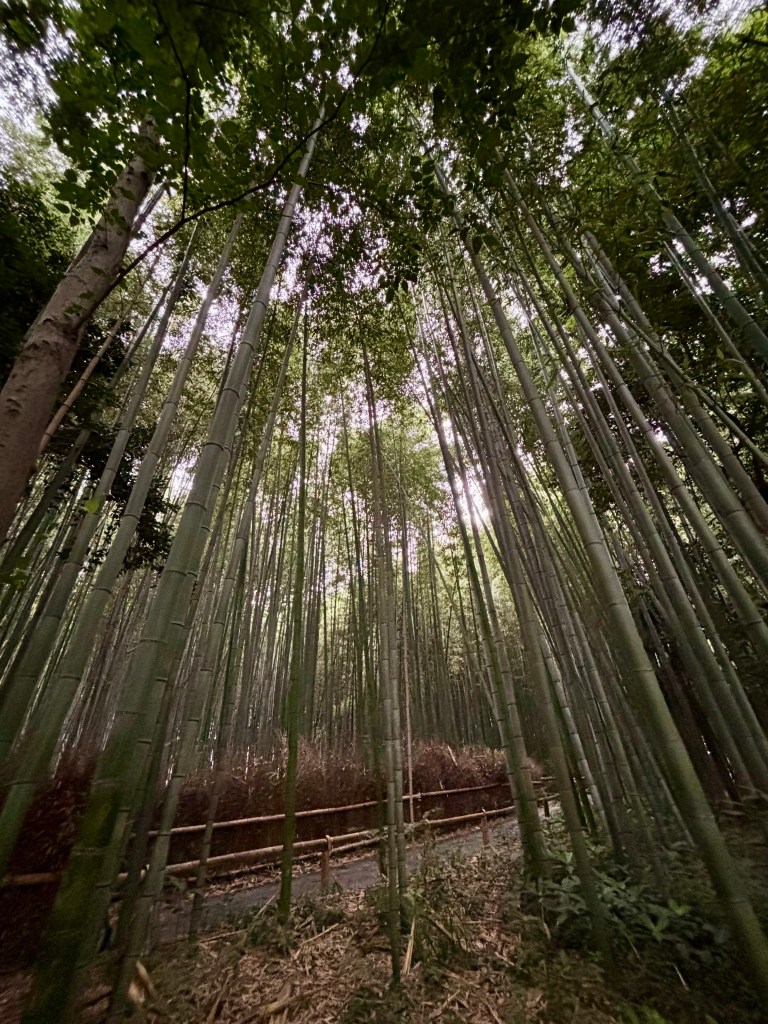
Arashiyama Bamboo Grove, Kyoto. By Olcay Sert

Where was I. A countdown timer with a built-in magnet helped me reflect on time. How much time do we have? What do we want to do with it? What can be done? In a classroom, in a new city, with the people you know and with those you encounter for the first time. Does it help us if we are reminded about time ‘all the time’, like the students in Japanese classrooms who see the countdown timer on regular basis? So much and so many can go into a limited amount of time. The quality of experience, not its quantity, will matter. Same goes for learning and teaching activities. But what to do as a teacher? How can we manage the limited time we have to create limitless meaningful experiences for our students and for ourselves? We still need to be aware of the limits of time, while also refraining from constantly thinking about the quantitative borders time creates. Embrace every second, observe each pupil, smell the atmosphere of the classroom. Try to see all the little details in the physical environment and in what students do with the time we give them. It is a little bit of being able to slow down, appreciate the imperfection5 in the state of events, and being in peace with that imperfection. How much time do we have? That we do not know.

織在猿人(Olcay Sert )

17-21 July 2025, Kyoto

1. Although I am not aware of any classroom research on countdown timers, Tim Greer published research that investigates students’ orientations to countdown timers in testing settings in Japan:
Greer, T. (2019). Closing up testing: Interactional orientation to a timer during a paired EFL proficiency test. In H. T. Nguyen & T. Malabarba (Eds.) Conversation Analytic Perspectives on English Language Learning, Teaching and Testing in Global Contexts (pp. 159-190). Bristol, UK: Multilingual Matters.

2. I promise I will write a separate post on the concept of minigration.

3. When I started writing this post I was at the end of my first week.

4. I grew up in Gemlik, Bursa, where I completed my primary, secondary school education. 

5. This idea of embracing is strongly tied to Wabi Sabi. Check this out for a good introduction:
Kempton, B. (2018). Wabi Sabi: Japanese wisdom for a perfectly imperfect life. Hachette UK.
Getting out of the comfort zone, again? On our AI-Write project, Limerick, and the future of higher education (in Europe)

We are living in the times when at least half of the LinkedIn users1, AI-influencers, or people you barely know are telling you to get out of your comfort zone, before you have had enough time to spend in and enjoy your “comfort zone” (i.e. doing what you know best – apparently it is “not cool” anymore :/). Every day. Perform perform perform. Yet again, I decided to get out of my comfort zone by accepting to be part of the AI-Write project – focusing on two things I knew little about (from a research perspective): “Artificial Intelligence (AI)” and “writing”. You know what? I am very happy that I did it. Fasten your seat belts. I will tell you why.

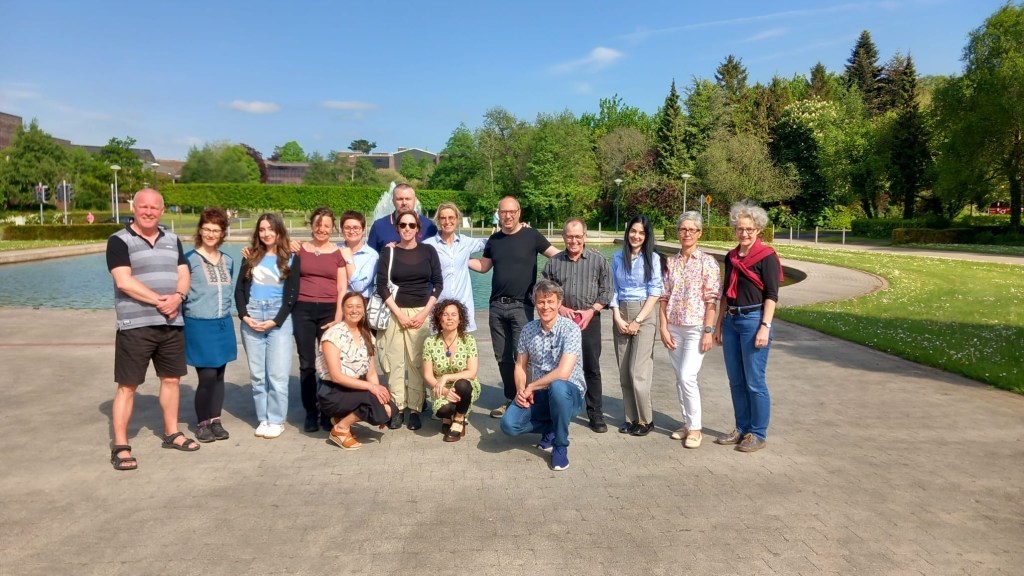
I am writing this post from my hotel room in Limerick, Ireland (and in less than 4 hours, at 06:00 am, I will start my journey to go back home, to Västerås). We have completed, today, the third work package (led by the University of Limerick) of the AI-Write project, which is an “Erasmus+ funded project that aims to revolutionise the landscape of academic writing in English through the development of innovative approaches and supporting materials that leverage AI tools2“. No pressure. Today, we had an event during which we showcased the first drafts of our Open Educational Resources (OERs), designed to assist students, teachers, teacher educators, and researchers (and we had an amazing plenary by Prof Mark Warschauer, University of California). The OERs we designed are on (1) AI literacy and data privacy, (2) prompt engineering, (3) pedagogy, reflection, and assessment, (4) planning and drafting, and (5) revising and editing. These are multimodal resources, lesson plans, info-graphics, videos (and whatnot) that are designed to help students and teachers. The OERs were designed by dedicated teachers/researchers/teacher educators from the University of Hildesheim (Germany), University of Limerick (Ireland), University of Antwerp (Belgium), Mälardalen University (Sweden), and the University of Innsbruck (Austria). They are being piloted, they will be tested, they will be disseminated. They are designed by the awesome people (see the picture below 😉 ) in the project, who I am happy to call colleagues and friends now; who care, and are curious, and are good educators who know their contexts well, and who do want to do something, together, collaboratively, beyond their universities, cities, countries (the longest sentence ever). We know now (better) the differences between our (institutional) contexts, but we also love our similarities. One thing we all agree(d) on today: WE LOVE LIMERICK!

Maybe it is the Irish hospitality, our amazing hosts, Guinness, nature, or the campus full of students who enjoy where they are (confession: we have to work on that in Västerås and Eskilstuna). The “human” connection with “the space” is what you immediately notice, appreciate, and fall in love with at Limerick University- on campus. And then you realize the things you might lose when the effect, the role, the say, the spirit of us, the humans, diminish from anything we do – including “writing”. We love writing. It is one of the most human and the most creative things that we have ever done. And now we have decided that we will let some of that power go by collaborating with AI: “sharing the agency”. But wait a minute. Are we sharing a cake – so AI takes a part of the cake and we take the other part?. Why should it be 1.0 cake? When we collaborate, with AI, maybe the cake gets bigger? And you see the parts of the universe that was not possible to see before? (Personal opinion: with AI, I am more optimistic; with LLMs, a bit less optimistic).

Anyhow. This post is supposed to be about our project 🙂 But also, as I promised in the title, about the future of higher education (in Europe). With our AI-Write project, we took a bold step and created open educational resources for teachers and students, aiming to provide them with resources that can support the ways they think, argue, write, edit, revise, present, publish. We wanted to do this by standing on the shoulders of giants: which means we (wanted to) benefit from decades of research findings based on learning sciences, pedagogy, didactics, second language acquisition (SLA), applied linguistics, and TESOL. We will do our best to reach the goal we promised that we would reach. And this brings us to the final part of this so far relatively boring (but come o:::n, kind of engaging) text. The future of higher education (in Europe).

It is possibly quite obvious for our partners in Austria, Germany, Ireland, and Belgium: EU projects are (extremely) valuable as they provide the platform for bringing together and developing skills and competencies from multiple cultures, but also for facilitating global citizenship. In Sweden, however, some universities have gone through a period in the past when EU projects were not supported, encouraged, and appreciated enough (money money money). I am happy to say that there is a wind of change – but we need to make sure that the wind blows. We need each other more than we ever did, not just because AI is out there now and is making us question what is it that is “human” in everything we do in higher education. What went wrong in the ways we do “science communication” within academia that so many people are panicking due to what they call “disturbance” or “distraction” by AI? (i.e. all those research articles that we write for each other and then give to a publisher for free so that they can sell it back to our university, with all those peer reviews by our colleagues who spend 10 hours doing a nasty review the time of which is paid by their employers, which, in most of the cases, pay them through the taxes of the people who live in the country where the universities they work at and for are located in)?3 . We need to remember, collectively, in Europe and elsewhere, that higher education is Higher EDUCATION! The education we design and deliver should be of highest standards, innovative, inspiring, research-based, futuristic, exciting, original, authentic. No pressure (!). AI-Write is an attempt towards this direction and towards the realities of higher education in the future in which “education, research, and collaboration” are intertwined. If we want to design the future of higher education in the world with humans at the center, we need to combine these three pillars (i.e. education, research, and collaboration) with internationalization, with collaboration projects between institutions from different countries, with engagement between researchers and practitioners. We do need to blend human creativity with new understandings of intelligence (see hybrid intelligence).

To make this possible, and to make sure that higher education plays a central role in facilitating human well-being, development, and equity, we do (maybe) need to get sometimes out of our comfort zones, but also use what we know best already. To transfer this developing knowledge to other people and to the next generation, WE HAVE TO WRITE! How we write, OUR control on what we write, and to whom we write shall still stay as the central capital of human hybrid intelligence. We need to learn from the Irish creativity, hospitality, positivity, and develop a humanistic way to approach technology. We will need to write about it. Our project, AI-Write, is a step forward.

Olcay Sert
2 May, 2025
Limerick

1. The other half is busy to be “thrilled(!) to announce that” they have a new Qx publication or something.
2. https://www.uni-hildesheim.de/aiwrite/
3. ok, this might be the longest sentence ever.

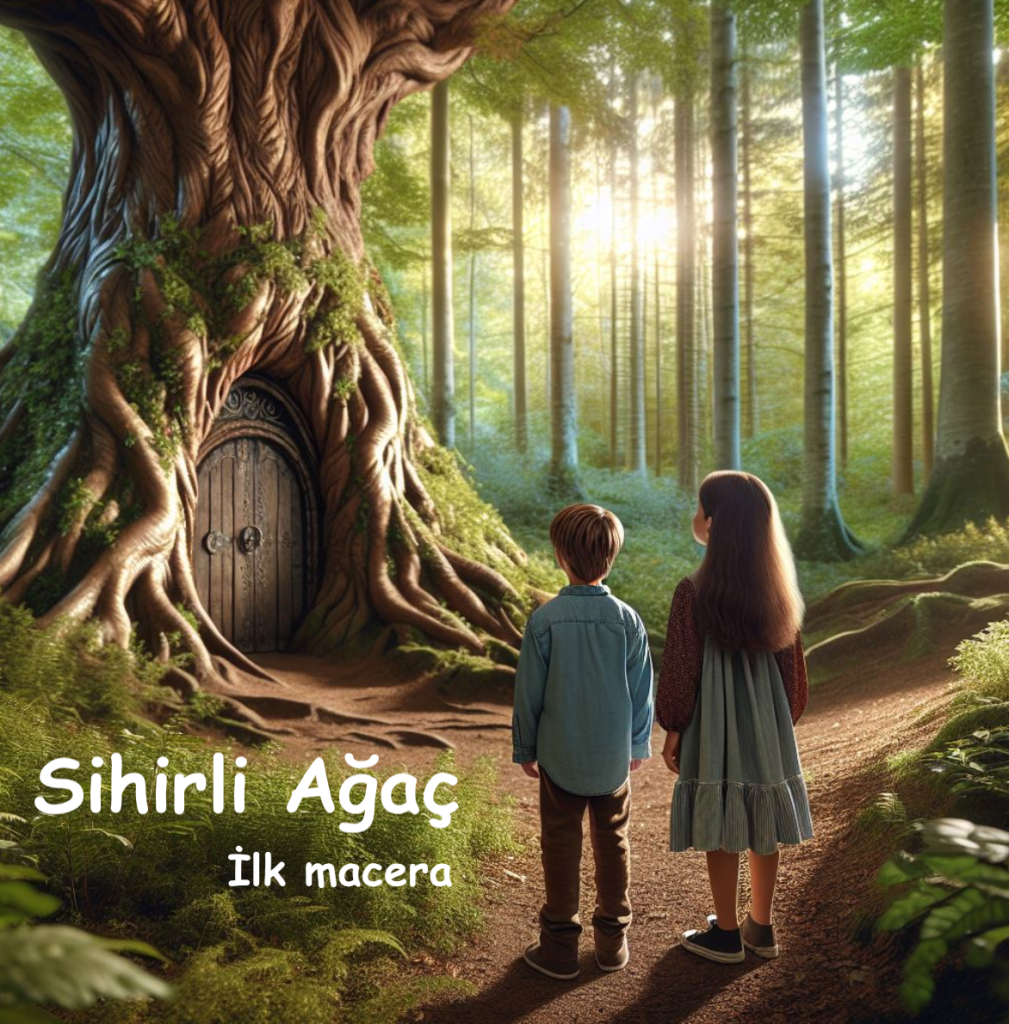
Sihirli Ağaç – Amatör bir yazarın macerası

Çocuklarıma yıllardır hikayeler anlatıyorum. Amatörce, seve seve, içimden gelerek, ama üzerine çok düşünmeden anlatıyorum. Yatağın baş ucuna oturduğumda dilimin beynimden daha hızlı olabildiği anlarda ardı ardına serüvenler karalıyorum hayalimde. Amatörce, basitçe, ama seve seve…Çocuklarım bazı hikayelerde maceraların içerisinde olmayı çok seviyorlar. İşte böyle başladı “Sihirli Ağaç” bir gece, hiç planlamadan, önceden kurgulamadan, dilimin kemiksiz olduğu bir gece Teoman’ın ve Defne’nin serüvenleri bir hikaye serisine dönüşüverdi.

Teoman ve Defne birbirini çok seven iki kardeşler bu macera serisinde. Västerås’ta bir ormanın yanı başında yaşıyorlar, ormanda üzerinde sihirli bir kapı olan bir ağaç buluyorlar. Bu kapı sadece yağmur yağarken ve Teoman ve Defne onun yanındayken açılıyor, ve bu iki kardeşi bazen geçmişe, bazen geleceğe, bazen babalarının çocukluğuna, bazen İspanya’ya, bazen Türkiye’ye götürüyor. Uzun zaman bu hikayeyi anlattım geceleri çocuklarıma, her seferinde yeni bir macera uydurarak – dediğim gibi: planlamadan, kurgulamadan, dilim döndüğünce.

Ama söz uçar yazı kalır.

Bir gün Defne’ye hikayeyi anlatırken bilgisayarımın metin yazma programında dikte özelliğini kullandım ve hikaye dağınık bir şekilde yazıya döndü. Dağınık, düzensiz, itinasız, rasgele. Ama önümde duruyordu, budanmayı bekleyen ama 50 yıldır el değmemiş bir bahçe gibi. Aldım elime makası kestim, biçtim, ekledim, çıkardım. Sadece bir kaç saat içinde, çünkü hemen o gece Ipad’den okumak istiyordum Teoman’a ve Defne’ye. Hikayenin olay örgüsünü biraz da olsa yansıtan resimler de çıkarmıştım bir yapay zeka programında. Geceye yetiştirdim, çocuklar sevdi, ertesi gün tekrar okumamı istediler, tekrar, tekrar… Eşim ve dört arkadaşımdan dönüt aldım, ama tabi ki en önemli dönüt çocuklardandı. Şu ana kadar altı çocuk (severek) dinledi hikayeyi.

Benim işlerim hep acele.

Elektronik kitap olarak herkesin ulaşabilmesini istedim bu kitaba ve gelecekte büyüyecek serisine. Halbu ki bekle, demle. Ama zamanı kim kaybetmiş ki ben bulayım. Hem amatörsün, hem zamanın yok…

Eksiğiyle, yanlışıyla “Sihirli Ağaç -İlk Macera” bayilerinizde 🙂 İsterim ki dünyanın dört bir yanındaki çocuklar okusun, sevsin Teoman ve Defne kardeşlerin maceralarını. 5-12 yaş arası çocuklara uykuya dalmadan önce okunabilecek bir kitap olduğunu düşünüyorum. Şimdi sadeleştirilmiş Türkçe baskısı üzerine de çalışıyorum, hem küçük çocuklar için, hem de Türkçe’yi yabancı dil olarak öğrenenler için.

Uzun yazının kısası, 5-12 yaş arası çocuklarınız veya tanıdığınız çocuklar varsa ve tablet üzerinden de okuma tecrübesinin onlar için uygun olduğunu düşünüyorsanız Sihirli Ağaç’ı keşfedin. Eğer verdiğim web bağlantılarından kitabı indiremiyorsanız lütfen benimle iletişime geçin- size kitabı elektronik formatta, ücretsiz, seve seve göndereceğim.

Son olarak, tüm profesyönel çocuk kitabı yazarlarından şimdiden özür diliyorum. Bu benim işim değil, eğitimini almadım, deneyimim yok, zamanım hiç yok. Benim ne haddime dedim bir kaç kere kitabı yayınlamadan önce. Omuzumdaki şeytanın kulağıma fısıldadıklarını dinledim bu sefer: Profesyönel futbol oynayamayacağımız için sokakta top koşturmayalım mı? Nota bilmiyoruz diye dört akorla gitar çalmayalım mı?

Sihirli Ağaç tüm çocuklara, ve çocuk ruhlu amatörlere gelsin.

Olcay Sert, 12 Kasım 2024, Västerås

D&R linki

Google Play linki

Apple Books linki

Smashwords linki

Thalia linki

Kobo linki

Taş ve Şarap: Bir mübadil torunu anısı

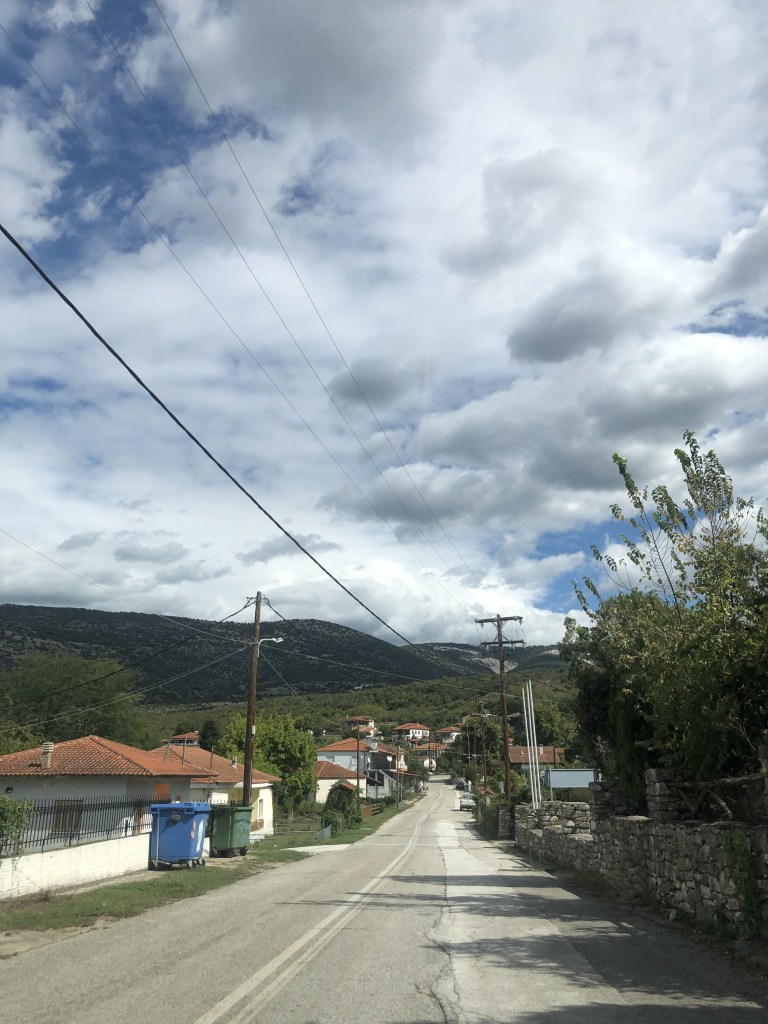
Bir Eylül sabahı Kavala’dan (Καβάλα) çıktım yola Petros’un arabasında. Kavalalı Petros dedemin doğduğu köy olan Komnina’ya (Κομνηνά) ilk ziyaretimde yoldaşım oldu. Komnina İskeçe’de (Xanthi – Ξάνθη) bir köy, eski adıyla Kurular. Komnina yolunda dedemi ve Bursa’nın Gündoğdu (Palladari – Παλλαδάρι, ya da Filedar) köyündeki çocukluğumu düşündüm. Rodop dağlarını yavaşça tırmanırken zeytin ve incir ağaçlarının kokusu geldi burnuma. Bir yandan Petros ile muhabbet ediyor, diğer yandan yolun güzelliğine dalıp gidiyordum. Ne kadar güzel bir yoldu bu. Köy meydanında Dimitris ile buluşacaktım.

Dimitris ve ben

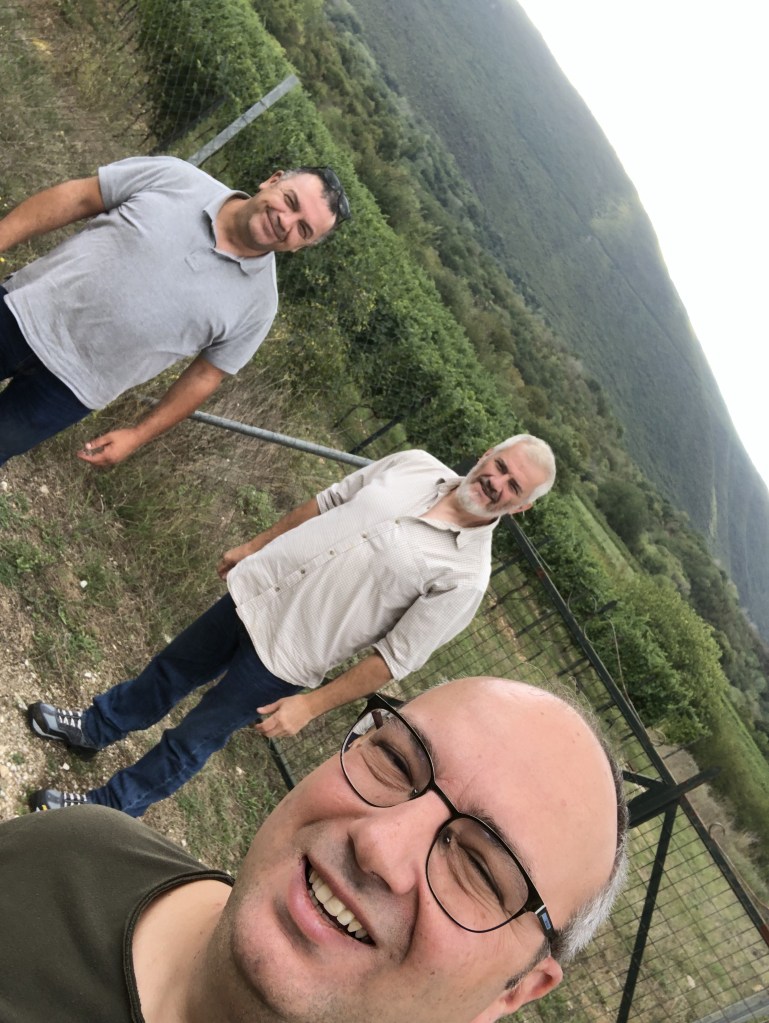
Bundan aylar önce bir Facebook mübadele grubuna dedemin köyünü görmek istediğimi yazmıştım. Dimitris bana hemen mesaj atıp beni karşılayıp gezdirebileceğini söylemişti. İşte bizden biri demiştim içimden. Dimitris de benim gibi bir mübadil torunuydu. Benim dedelerimin zorunlu göç yolu İskeçe-Kurular’dan Bursa’nın Gündoğdu köyüneymiş, onun dedelerininkisi Samsun-Erikli’den Komnina’ya. Farklı yollar, benzer hayatlar. Dimitris hayvancılıkla uğraşıyor, aslında Komnina’nın hemen yanı başındaki başka bir eski Türk köyünden kendisi, eşi de Komnina’lı bir Giresun mübadili. Komnina’ya varınca köy meydanında buluştuk, Osmanlı zamanından kalma ulu bir ağacın altına oturduk. Anında Türk/Yunan kahvesi geldi ve başladık muhabbete. Dimitris de benim Komnina’ya gittiğim gibi Samsun’a gitmiş, gezmiş. Bana Komnina köyünü ve tarihini anlatmaya başladı.

Kurular olmuş Komnina

Komnina’da bugün 150 kişi yaşıyor sadece. Gençler zamanla büyük şehirlere ve yurt dışına göçmüş. Köyün üç büyük mahallesine Karadeniz’in farklı bölgelerinden gelen Pontus Rumları yerleşmiş. Biraz güldük beraber bu duruma- aynı köyde farklı göçmen gruplar… Bizde de öyle, Gündoğdu köyünde… Pomaklar ve İskeçeliler. Aynı yolun tozunu yutsa da yoldaşlar kolay birleşmiyor farklı anadan kardaşlar 🙂 Dimitris’in atalarıyla göç yollarımız farklı, ama hikayelerimiz aynı. Topraklarından ve evlerinden koparılan dedelerimiz, ninelerimiz birleştiriyor bizi. Dimitris’le konuşurken bir yandan çevreme bakıyordum. Arkamızda tütününü saran bir köylü oturuyordu, uzakta da bir iki kişi, o kadar. Sessiz, sakin bir köy. Oturduğumuz meydanda bir kadın heykeli çarptı gözüme. Hemen sordum biraz da korkarak, belli ki bu kadın bir kahraman, ya da bir kurban. Umarım Türkler öldürmemiştir dedim içimden bir yandan. İnsan bazen kendi yapmadığı şeylerden suçlana suçlana suçlu hissetmeye başlar yok yere. Bizim biraz kollektif hissimiz bu bazen. Heykel ikinci dünya savaşı yıllarında Bulgar askerleri tarafından katledilen birisine aitmiş. O zor zamanlar hakkında konuştuk biraz, Dimitris’in ve Petros’un gözleri doldu. Sanki havayı değiştirmek istercesine Türklerden kalanlar hakkında konuşmaya başladık hemen. Kahveler bitti, sıra Komnina’da Kurular’dan kalan ayak izlerini bulmaya geldi.

Komnina’daki Kurular: Dedemin ayak izleri

Meraklı gözlerle çevreme bakmaya devam ediyordum. Ağaçlar, evler, mahalleler. Peki dedemin ayak izleri neredeydi? Türklerden neler kalmıştı Komnina’da? Kurulardan geri kalan sadece hikayeler mi, yoksa var mı bir ağaç, var mı bir taş parçası? Varsa nerede?  Dimitris’e sordum neler kalmış diye. Gölgesinde oturduğumuz ağacı ve biraz ileride bir başka ağacı işaret etti – bu iki ağaç kalmıştı Osmanlı’dan. Kalktım resimlerini çektim. Biraz içim burkuldu, başka bir şey yok muydu? Bir ev, bir duvar? Köydeki mahallelerden birisinin adı “Feleki” mahallesiymiş: bildiğiniz Felek. Köyün en zenginiymiş vakti zamanında, mahallenin ismi ondan gelmiş. Bir onun evi, bir de harabe halinde başka bir ev kalmış Türklerden. İçimde (u)mutlu bir kıpırtı…. Yani bir şeyler vardı: dedemin, büyük babaannemin yürüdüğü yolları görecektim belki de. Hemen Petros’un arabasına atladık üçümüz, yavaşça ilerlemeye başladık köyde. Solda bir kilise gördük. Dimitris o kilisenin muhtemelen önceden bir camii olduğunu söyledi, şaşırmadım. Bizim memlekette de kiliseler camii yapılmış. Yıkılıp yok edilmesinden iyidir dedim içimden. Dar toprak bir yolda ilerlerken arabayla bir yandan muhabbet ediyorduk Dimitris ile. Pontus Rumları Komnina’ya göç ettiğinde ilk başta bir iki yıl Türklerle aynı evlerde yaşamışlar. “Zor olmamış mı?” dedim. Gülümsedi, kolay olmamış. Ama “çok güzel yaşayıp gitmişler, biz dedelerimizden kötü hiçbir şey duymadık” dedi Dimitris. Anneler bebeklerine Türkçe konuşurmuş o zaman dedi Dimitris, Türkçe köyde kullanılan bir dilmiş.

Toprak yolda ilerlerken birden duruverdik. Sağda solda pek bir şey göremedim. “İşte köyde Türklerden kalma iki evden birisi” dedi Dimitris – bir harabe. Çatısı yok, sadece taşlar var, ama pencere ve kapıların yerleri belli. Virane evin içine tırmandım, hemen yanı başında bizim Gündoğdu’daki gibi bir incir ağacı vardı. Bir video çekmeye başladım babama göndermek için, bir yandan da anlatıyordum videoda neler gördüğümü – birisine hemen anlatmalıydım çünkü, tarihin içinde yürüyordum, üstüne basıyordum. Belki de büyük büyük dedem, büyük babaannem, dedem bu eve girdi çıktı, önünden geçti, bu mahallede yürüdü. Bir yandan dikenler kesiyor kanatıyordu bacaklarımı, hiç aldırış etmedim. Fotoğraflar çektim, evin tarihini içime soludum. Taşları inceledim duvarlardaki. Eğildim ve küçücük bir taş aldım iki büyük taşın arasından. Sıkı sıkı sıktım avcumda taşı. Bu taş tarihin tanığıydı, tarihin ta kendisiydi. Cebime koydum hemen. Dimitris’e de söyledim biraz da utanarak, güldü, keşke daha büyük bir taş alsaydın dedi. Etkisinden çıkamıyordum evin. Arabaya doğru yürüdüm. Artık ben aynı ben değildim o evin içine girdikten sonra. Dimitris bana ikinci ev olan Feleki’nin evini göstereceğini söyledi, ama üzülerek eve dış sıva yaptırıldığını ve artık tarihinden eser kalmadığını söyledi. Eve vardık, büyük bir evdi, ama maalesef bende bir önceki harabe evin bıraktığı etkiyi bırakmadı.

Taş ve şarap

Tekrar arabaya bindik. “Köyün girişinde bir otel var oraya gideceğiz şimdi” dedi Dimitris. İlk başta anlamadım nedenini, neden bir otele gidiyorduk ki? Bu oteli daha önce internette görmüştüm, taştan bir kaleyi andırıyordu mimarisi, çok hoş bir yerdi. Taştan duvarların önünde durduğumuzda anladım neden buraya geldiğimizi. Bu taşların bir kısmı Türklerin evlerinden kalma taşlarmış, otelin yapımında kullanılmış. Türklerden kalma başka bir şey daha gördüğüm için sevindim. Otelin bahçesine girerken muhabbet ediyorduk, ben Bursa’daki köyümüzü ve Pomaklar ile İskeçelilerin nasıl yaşadığını anlatıyordum. “Hah” dedi Dimitris, zaten bu oteli işletenler de Pomak. Zaten bahçeyi gezip otele girdiğimizde anladım hemen, lobide sanki tanıdık birisi: sarışın, renkli gözlü, güler yüzlü bir kadın. Gündoğdu köyünün Pomağı gibi… Bahçeyi gezerken oteli işletenlerin köydeki üzümlerden kendi şaraplarını yaptığını söyledi Dimitris. Birer şişe şarap aldık hatıralık. Oradan ayrılıp hemen köyün girişindeki eski bir kral mezarına gittik. Mezar kapalıydı, ama orada olmamızın asıl sebebi kral mezarı değildi, üzüm bağlarını görmekti. Dedemin köyünün üzümleri, ondan yapılan beyaz şarap, ve tarihin içinde ve ötesinde bir yolculuk. Dimitris’i köyün merkezine bıraktık, kendisine çok teşekkür ettim ve vedalaştık. Bursa’ya ya da İsveç’e gitmek isterse benimle iletişime geçmesini söyledim. Kendisine bir de söz verdim: Gündoğdu köyünün tarihini anlatan bir kitap olduğunu söylemiştim ona, bizim köylü birisi yazmış. Kitap çok ilgisini çekti, kitabı bulup ona göndermeye söz verdim.

Rodop dağlarından Kavala’ya dönüş

Dönüşte farklı bir yoldan götürdü beni Kavala’ya Petros: dağlara tırmandık ve tekrar aşağıya indik. Güzel insan Petros. Selanik havaalanında tanıştığımızda ısınmıştı kanım ona. Rodop dağlarından dönüşte bol bol muhabbet ettik, bu yolculuğun onun için de çok güzel geçtiğini söyledi. Sevdiğimiz yemeklerden, futboldan, memleketlerden, ortak güzelliklerimizden ve dertlerimizden konuştuk. Kavala’ya vardığımızda doğduğu apartmanı ve yaşadığı mahalleleri gösterdi bana. Kavala’da birkaç günüm daha vardı. Güzel Kavala, can Kavala. Esnafı, balıkçısı, börekçisi, denizi, havası, sokakları, tarihi ve insanı. Kavala’da deniz kenarında yürürken bir akşam kendime şöyle dedim: ben artık sadece Bursa Gündoğdu’lu Olcay değil, Rodop dağlarındaki Komnina köyünden Abdurrahim’in torunu Olcay’ım.

Son söz

Taş ve Şarap

Bir küçük taş, bir şişe beyaz şarap

Fark eder mi Türk, Yunan, Arap

Aynı denize bakmışız

Beraber aş yapmışız

Geçse de yüz yıl aradan

Buluşuruz denizden ve karadan

Kurular olur Komnina

Filedar olur Gündoğdu

Dedeler kızıp darılsa da, dosttur mübadilin kızı oğlu.

Olcay Sert, 29 Eylül 2024

Internationalisation starts at home – but only at the mercy of the landlords and tenants

Internationalisation is both a goal and a process at many universities located in countries where English is not one of the official languages. Swedish universities are no exception. Internationalisation extends to research collaborations, education, and staff and student mobility. It is not just a process of reaching out to and collaborating with universities, researchers, teaching staff, and students in other countries, but it is also a process of building a safe space at home, where your co-workers and students from different cultures, countries, backgrounds can work, socialize, create, and thrive together. Like it or not, English language, as a world lingua franca, is the primary instrument to achieve this. Internationalisation starts at home – but only at the mercy of the landlord and tenants.

I work in the school of education at an emerging university which does not have a PhD programme in language studies (of any kind). The administrative language is Swedish, and the medium of instruction for the compulsory courses in the PhD programme in Didactics (?) is Swedish (I have to note that, though, I have fantastic colleagues, admin staff and academics, who have always been flexible with the use of English – and this is one of the reasons I love them and this workplace). Needless to say, a university has all the rights to decide on the medium of administration and teaching, fair enough. But the problem starts when “internationalisation” becomes one of the goals in the institution, which requires deconstructing local structures and institutional habits. In other words, in transforming from a local university college (a högskola, remember?) to a university (i.e. an international workplace), you need to open a can of worms.

Where do you start? The language of meetings, creating courses in English for Erasmus and other exchange students, the medium of communication in research events, emails, announcements, fika conversations… How do you make sure that you are not excluding Swedish speakers who do not speak English (personal note: I have not seen any), or English speakers who cannot speak Swedish (I have seen many). How do you recruit international PhD students? (surprise surprise: put the ad out in English, create courses in English). One of the arguments I hear is that “educational research” is for teachers and is local, for local needs, so things need to be in Swedish. So educational science (as opposed to other sciences) should be freed from English and internationalisation? How about poor engineers doing their Phd in English then? Should we also stop anything that is in English for them too? Good luck with that. The second argument is that we may damage “Swedish as a scientific language” with too much English. My argument, in response to all this, is that English and Swedish can co-exist in Swedish higher education. A healthy co-existence will create a university for all, and a university that will combine global perspectives with local needs.

Numa Markee’s “technoblurbs” and my technical and workflow choices

Numa Markee created a webpage that has very useful information for Conversation Analysis researchers who want to have an overview of software and hardware for recording, transcriptions, and other tasks: https://numamarkee.com/resources/

The page has a section (please scroll down) that presents real world examples of technical and workflow choices from CA researchers (see, for example, the workflow documents of Klara Skogmyr Marian, Tom Koole, Adam Brandt & Piera Margutti).

I wrote a piece about my technical and workflow choices and described how I use Transana, NVIVO, Antconc, VEO, GIMP, QuickTime, and Wondershare Filmore for my work. I hope this text would be useful for PhD students and early career researchers. I would like to thank again to the one and only Numa Markee for his support for novice researchers and never-ending energy to disseminate knowledge about CA.

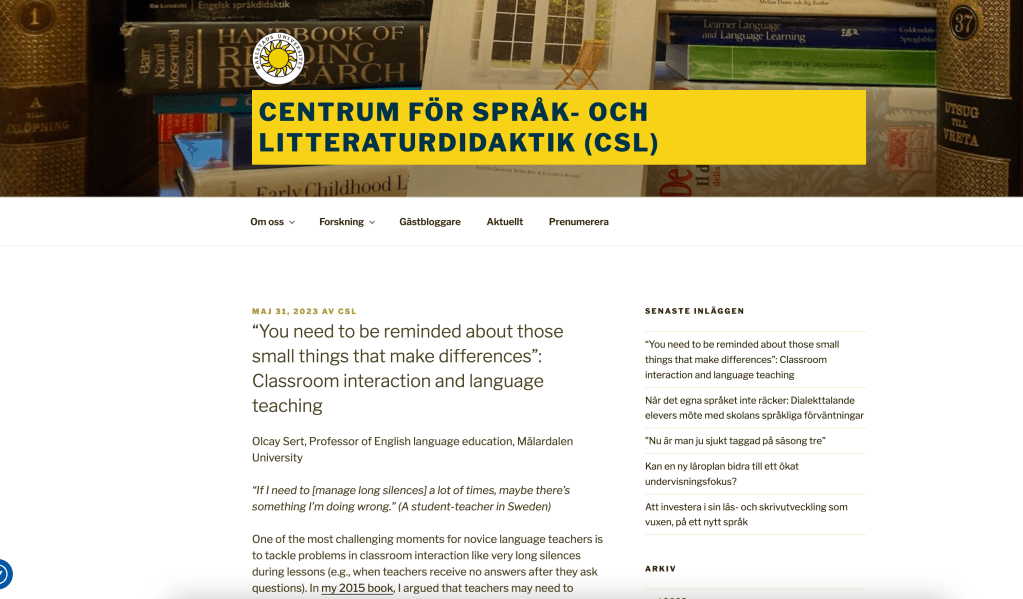
“You need to be reminded about those small things that make differences”: Classroom interaction and language teaching

I was invited to write a guest blog for Karlstad University, Centre for Language and Literature Education.

I wrote about the importance of classroom interaction in language teaching, arguing for a focus on classroom interaction in initial teacher education and continuous professional development.

The full text is available at https://sola.kau.se/cslblog/2023/05/31/you-need-to-be-reminded-about-those-small-things-that-make-differences-classroom-interaction-and-language-teaching/

I would like to thank Rickard Nilsson and Andrea Schalley for this opportunity and their constructive feedback on an earlier version of the text.

Call for chapters: Conversation Analysis as a Change Agent in Language Teacher Education

We are soliciting manuscripts for an edited volume on conversation analysis as a change agent in language teacher education. Over the last decade, conversation analytic (CA) findings from classroom discourse studies have started feeding into language teacher education contexts, yielding a number of CA-based teacher training frameworks such as SETT (Walsh 2013), IMDAT (Sert, 2019) and FAB (Waring & Creider, 2021). We have now reached a tipping point of grappling with or groping for the material impact of CA in the actual language classrooms around the world. In particular, we are interested in studies that document practice-based changes (e.g., change in teacher practices in the classroom and in reflective practices) in which CA plays a role. We realize that such CA-informed “interventions” can come in many shapes and forms and welcome a multitude of endeavors and innovations.

Should you be interested in participating in such a project, please send us a 300-word abstract by December 5, 2022 that describes (1) the context of the study, (2) the specific role CA plays as a change agent, and (3) the types of changes (to be) documented. Decisions for possible inclusion in the volume will be sent out by December 15, 2022, with submissions of first drafts due by July 1, 2023.

Please use this link to submit your abstract: https://forms.gle/nyKgsxJSqQDrzRo26 

Many thanks for your consideration. We look forward to hearing from you.

Best regards,

Olcay Sert and Hansun Waring

How do teachers handle errors in mathematics classrooms?

Olcay Sert's avatarMälardalen INteraction & Didactics (MIND) Research Group

How teachers handle errors of students in classrooms has been a topic of interest for researchers across disciplines. Mathematics is no exception to this. In this guest blog post, researchers Odd Tore Kaufmann (Østfold University College, Norway), Maria Larsson (MIND & M-TERM Research groups, Mälardalen University, Sweden) and Andreas Ryve (M-TERM Research group, Mälardalen University, Sweden) share their research findings on mathematics teachers’ error handling practices across different lesson phases, drawing on their analysis of lessons from several Swedish municipality schools. The full text of the research article is available open access, and can be downloaded using this link. Please scroll down for a short, accessible summary.

—————————————————————————————

Many studies have been conducted regarding teachers’ error-handling practices and how errors can be treated as opportunities for learning. Most of these studies have been done in the context of whole-class discussions. Therefore, we wanted to investigate teachers’…

View original post 485 more words